
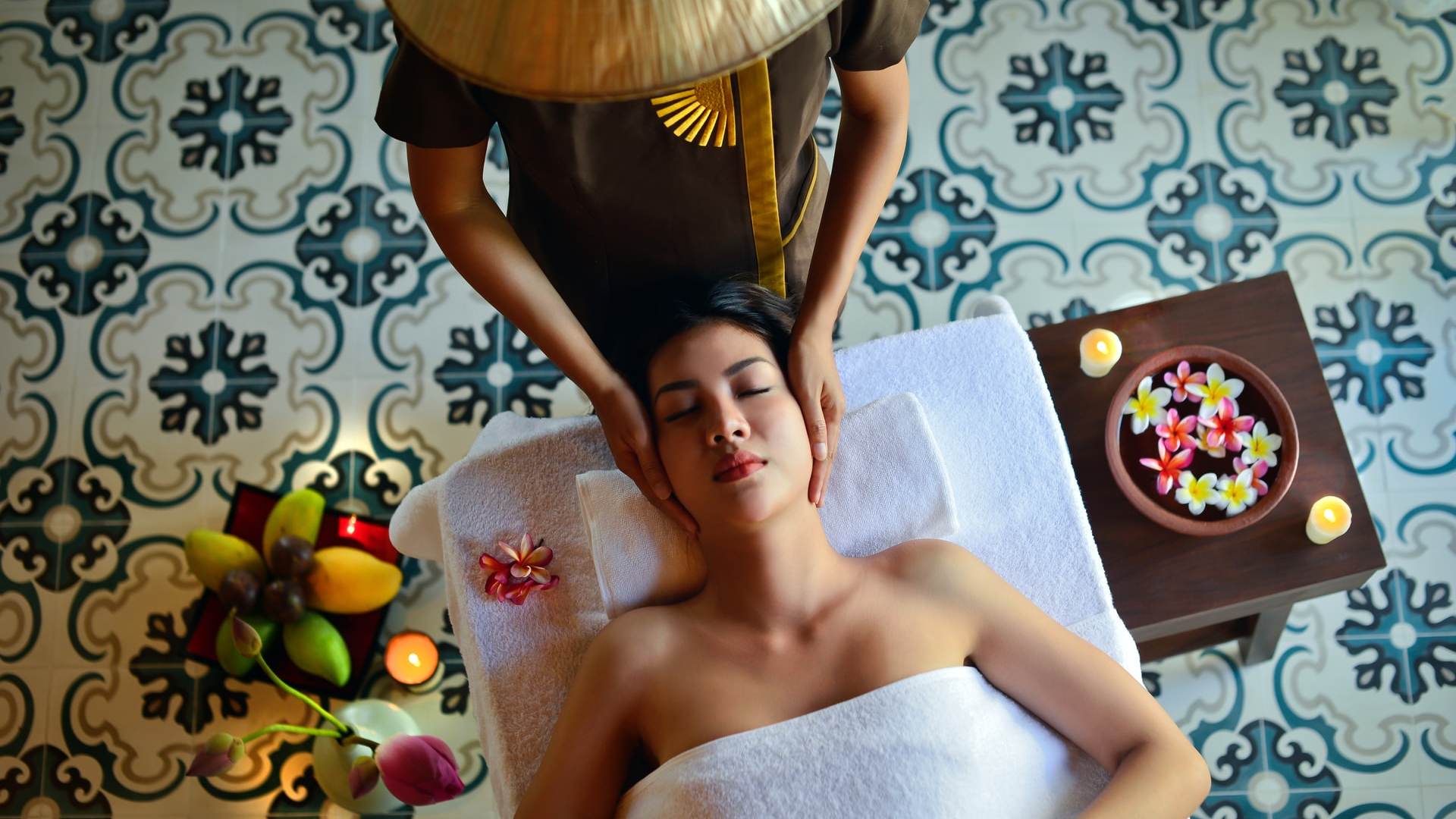
Relaxation Treatment: The Art of Restoring Mind and Body
In today’s fast-paced world, stress has become a constant companion. Discover how intentional rest can renew your body and mind.
In today’s fast-paced world, stress has become a constant companion for millions of people. Work deadlines, financial pressure, digital distractions, and personal responsibilities all contribute to mental and physical exhaustion. Amid this chaos, relaxation treatments offer a sanctuary — a space where time slows down, tension melts away, and the body can heal itself naturally.
Whether you experience it in a luxury spa, at home, or through mindful practices, a relaxation treatment is more than a simple indulgence. It’s an investment in your mental, emotional, and physical well-being.
The Philosophy Behind Relaxation Treatments
Relaxation therapy has roots in ancient healing traditions. From Ayurvedic massage in India to hot stone therapy used by Native Americans, cultures throughout history recognized the importance of balance and calm.
The philosophy is simple: when the mind relaxes, the body follows. This harmony restores energy flow, improves circulation, and enhances overall vitality. Stress causes the body to release cortisol — the “fight or flight” hormone — which can lead to muscle tension, fatigue, and anxiety. Relaxation treatments counteract this response, promoting the release of serotonin and endorphins, often called the “happiness hormones.”
“Relaxation is not a luxury. It is the foundation of health, creativity, and emotional resilience.”
Types of Relaxation Treatments
There are numerous ways to experience deep relaxation. The ideal treatment depends on your body’s needs and your lifestyle. Below are some of the most popular and effective options:
1. Massage Therapy
Massage is one of the oldest and most popular relaxation treatments. Techniques such as Swedish massage, aromatherapy massage, and hot stone massage focus on improving blood circulation and easing muscular tension.
Aromatherapy, in particular, combines gentle strokes with essential oils like lavender, chamomile, and eucalyptus. These scents engage the limbic system — the emotional center of the brain — to calm nerves and induce tranquility.
2. Aromatherapy
Essential oils are powerful natural remedies for emotional and physical stress. They can be used in diffusers, baths, or directly during treatments.
- Lavender reduces anxiety and improves sleep quality.
- Peppermint revitalizes the senses and eases headaches.
- Ylang-Ylang helps regulate heart rate and promotes relaxation.
3. Hydrotherapy
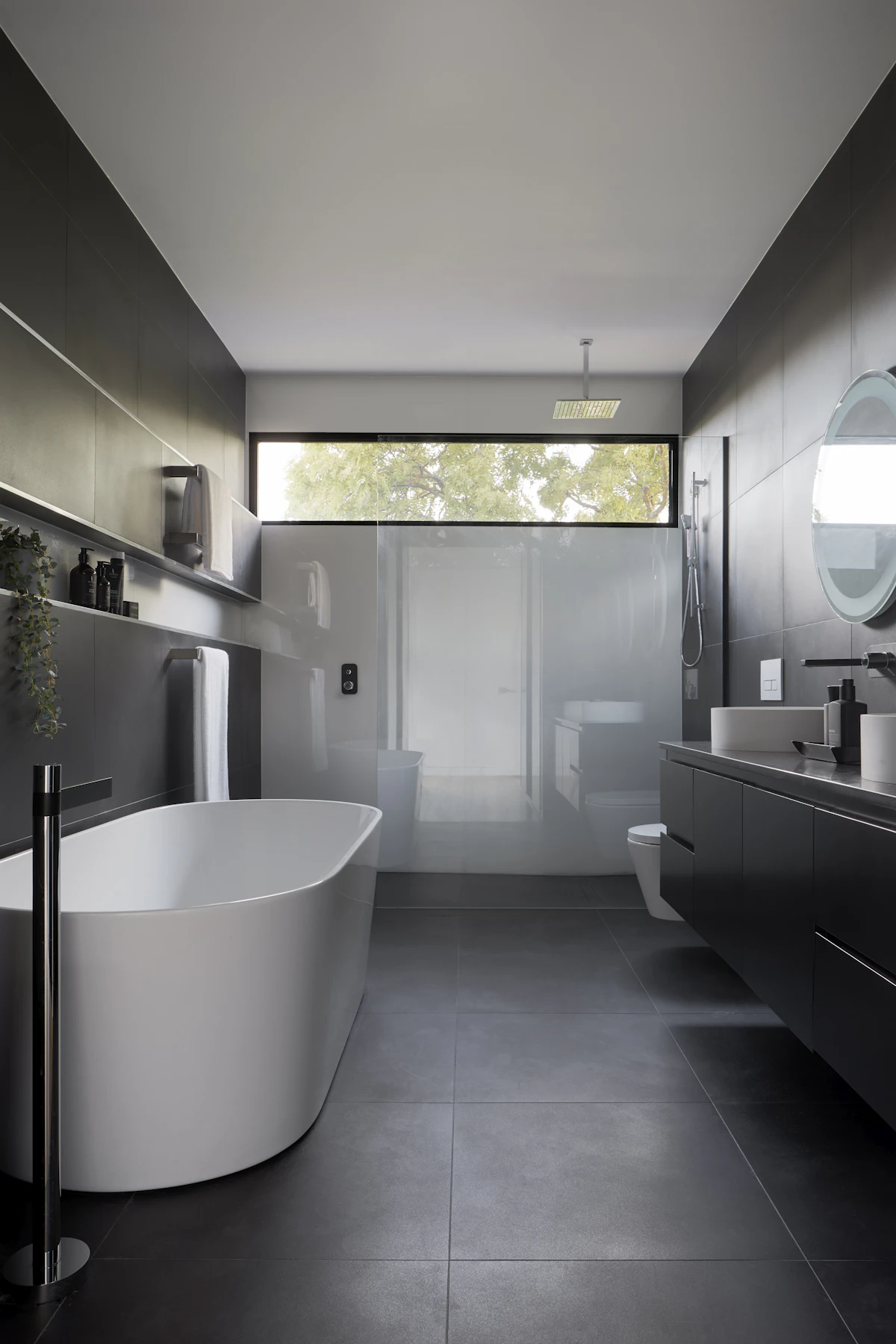
Hydrotherapy uses water’s natural healing properties to relax muscles and detoxify the body. A warm bath infused with mineral salts or essential oils improves circulation and reduces joint stiffness. Spa hydrotherapy pools often include jets that massage specific areas of the body, providing a gentle yet powerful release of tension.
4. Sound Therapy
Sound has a profound effect on the nervous system. Treatments like Tibetan singing bowl therapy, binaural beats, or ocean-wave meditation use harmonic frequencies to balance the body’s energy. The vibrations encourage alpha brainwave activity, a state associated with deep relaxation and mental clarity.
5. Facial and Scalp Treatments
Facial massages not only rejuvenate the skin but also stimulate lymphatic drainage, helping eliminate toxins. Scalp massages, meanwhile, relieve headaches and improve blood flow to the brain. Combined, these treatments create a deeply soothing experience that promotes both beauty and peace.
The Benefits of Relaxation Treatments
Relaxation treatments are not just about feeling good — they bring measurable health benefits:
Physical Benefits
- Reduced muscle tension and chronic pain
- Improved blood circulation
- Enhanced immune response
- Better sleep quality
- Lower blood pressure
Mental & Emotional Benefits
- Decreased anxiety and depression
- Improved concentration and focus
- Emotional stability
- Boosted creativity
- Sense of inner peace
The cumulative effect of these benefits makes relaxation therapy a powerful ally in modern life. Even a single 60-minute session can reset the nervous system, while regular treatments create long-term resilience against stress.
Home Relaxation Rituals

Not everyone can visit a spa regularly, but that doesn’t mean you can’t enjoy a professional-level relaxation experience at home. With a few simple adjustments, you can transform your space into a tranquil sanctuary.
Step-by-Step Home Ritual
- Create Ambience — Dim the lights, light candles, and play soft instrumental music. The right atmosphere signals your body that it’s time to unwind.
- Aromatic Bath — Add a few drops of lavender or eucalyptus essential oil to warm water. Soak for at least 20 minutes to relax your muscles.
- Gentle Massage — Use coconut or almond oil to massage your shoulders, hands, and feet. Apply slow circular movements to release tension.
- Mindful Breathing — Close your eyes and focus on your breath. Inhale deeply for 4 seconds, hold for 4 seconds, and exhale for 6 seconds. This activates the parasympathetic nervous system — your body’s natural “relaxation switch.”
- Hydration and Reflection — After your session, drink herbal tea such as chamomile or lemon balm. Take a moment to reflect on how your body feels.
The Science of Relaxation
Scientific studies have confirmed the positive effects of relaxation treatments. Regular sessions can reduce cortisol levels by up to 30%, increase serotonin production, and improve heart rate variability — a key indicator of emotional resilience.
Moreover, researchers from the University of California found that people who practice weekly relaxation rituals report 40% fewer symptoms of insomnia and anxiety. These results highlight that relaxation is not merely psychological — it produces real, measurable changes in the body.
A Holistic Approach to Self-Care
Relaxation is not about escaping reality; it’s about reconnecting with yourself. A proper treatment doesn’t just soothe sore muscles — it realigns your mind, body, and spirit.
Incorporating these therapies into your weekly routine can transform how you live. You’ll begin to notice:
- More patience and emotional balance
- Increased productivity without burnout
- Greater appreciation for the present moment
In a culture that celebrates constant productivity, taking time to relax is an act of self-respect. It’s choosing presence over pressure, balance over chaos, and healing over exhaustion.
Relaxation Treatment: The Art of Restoring Mind and Body
In today’s fast-paced world, stress has become a constant companion. Discover how intentional rest can renew your body and mind.
In today’s fast-paced world, stress has become a constant companion for millions of people. Work deadlines, financial pressure, digital distractions, and personal responsibilities all contribute to mental and physical exhaustion. Amid this chaos, relaxation treatments offer a sanctuary — a space where time slows down, tension melts away, and the body can heal itself naturally.
Whether you experience it in a luxury spa, at home, or through mindful practices, a relaxation treatment is more than a simple indulgence. It’s an investment in your mental, emotional, and physical well-being.
The Philosophy Behind Relaxation Treatments
Relaxation therapy has roots in ancient healing traditions. From Ayurvedic massage in India to hot stone therapy used by Native Americans, cultures throughout history recognized the importance of balance and calm.
The philosophy is simple: when the mind relaxes, the body follows. This harmony restores energy flow, improves circulation, and enhances overall vitality. Stress causes the body to release cortisol — the “fight or flight” hormone — which can lead to muscle tension, fatigue, and anxiety. Relaxation treatments counteract this response, promoting the release of serotonin and endorphins, often called the “happiness hormones.”
“Relaxation is not a luxury. It is the foundation of health, creativity, and emotional resilience.”
Types of Relaxation Treatments
There are numerous ways to experience deep relaxation. The ideal treatment depends on your body’s needs and your lifestyle. Below are some of the most popular and effective options:
1. Massage Therapy
Massage is one of the oldest and most popular relaxation treatments. Techniques such as Swedish massage, aromatherapy massage, and hot stone massage focus on improving blood circulation and easing muscular tension.
Aromatherapy, in particular, combines gentle strokes with essential oils like lavender, chamomile, and eucalyptus. These scents engage the limbic system — the emotional center of the brain — to calm nerves and induce tranquility.
2. Aromatherapy
Essential oils are powerful natural remedies for emotional and physical stress. They can be used in diffusers, baths, or directly during treatments.
- Lavender reduces anxiety and improves sleep quality.
- Peppermint revitalizes the senses and eases headaches.
- Ylang-Ylang helps regulate heart rate and promotes relaxation.
3. Hydrotherapy
Hydrotherapy uses water’s natural healing properties to relax muscles and detoxify the body. A warm bath infused with mineral salts or essential oils improves circulation and reduces joint stiffness. Spa hydrotherapy pools often include jets that massage specific areas of the body, providing a gentle yet powerful release of tension.
4. Sound Therapy
Sound has a profound effect on the nervous system. Treatments like Tibetan singing bowl therapy, binaural beats, or ocean-wave meditation use harmonic frequencies to balance the body’s energy. The vibrations encourage alpha brainwave activity, a state associated with deep relaxation and mental clarity.
5. Facial and Scalp Treatments
Facial massages not only rejuvenate the skin but also stimulate lymphatic drainage, helping eliminate toxins. Scalp massages, meanwhile, relieve headaches and improve blood flow to the brain. Combined, these treatments create a deeply soothing experience that promotes both beauty and peace.
The Benefits of Relaxation Treatments
Relaxation treatments are not just about feeling good — they bring measurable health benefits:
Physical Benefits
- Reduced muscle tension and chronic pain
- Improved blood circulation
- Enhanced immune response
- Better sleep quality
- Lower blood pressure
Mental & Emotional Benefits
- Decreased anxiety and depression
- Improved concentration and focus
- Emotional stability
- Boosted creativity
- Sense of inner peace
The cumulative effect of these benefits makes relaxation therapy a powerful ally in modern life. Even a single 60-minute session can reset the nervous system, while regular treatments create long-term resilience against stress.
Home Relaxation Rituals
Not everyone can visit a spa regularly, but that doesn’t mean you can’t enjoy a professional-level relaxation experience at home. With a few simple adjustments, you can transform your space into a tranquil sanctuary.
Step-by-Step Home Ritual
- Create Ambience — Dim the lights, light candles, and play soft instrumental music. The right atmosphere signals your body that it’s time to unwind.
- Aromatic Bath — Add a few drops of lavender or eucalyptus essential oil to warm water. Soak for at least 20 minutes to relax your muscles.
- Gentle Massage — Use coconut or almond oil to massage your shoulders, hands, and feet. Apply slow circular movements to release tension.
- Mindful Breathing — Close your eyes and focus on your breath. Inhale deeply for 4 seconds, hold for 4 seconds, and exhale for 6 seconds. This activates the parasympathetic nervous system — your body’s natural “relaxation switch.”
- Hydration and Reflection — After your session, drink herbal tea such as chamomile or lemon balm. Take a moment to reflect on how your body feels.
The Science of Relaxation
Scientific studies have confirmed the positive effects of relaxation treatments. Regular sessions can reduce cortisol levels by up to 30%, increase serotonin production, and improve heart rate variability — a key indicator of emotional resilience.
Moreover, researchers from the University of California found that people who practice weekly relaxation rituals report 40% fewer symptoms of insomnia and anxiety. These results highlight that relaxation is not merely psychological — it produces real, measurable changes in the body.
A Holistic Approach to Self-Care
Relaxation is not about escaping reality; it’s about reconnecting with yourself. A proper treatment doesn’t just soothe sore muscles — it realigns your mind, body, and spirit.
Incorporating these therapies into your weekly routine can transform how you live. You’ll begin to notice:
- More patience and emotional balance
- Increased productivity without burnout
- Greater appreciation for the present moment
In a culture that celebrates constant productivity, taking time to relax is an act of self-respect. It’s choosing presence over pressure, balance over chaos, and healing over exhaustion.